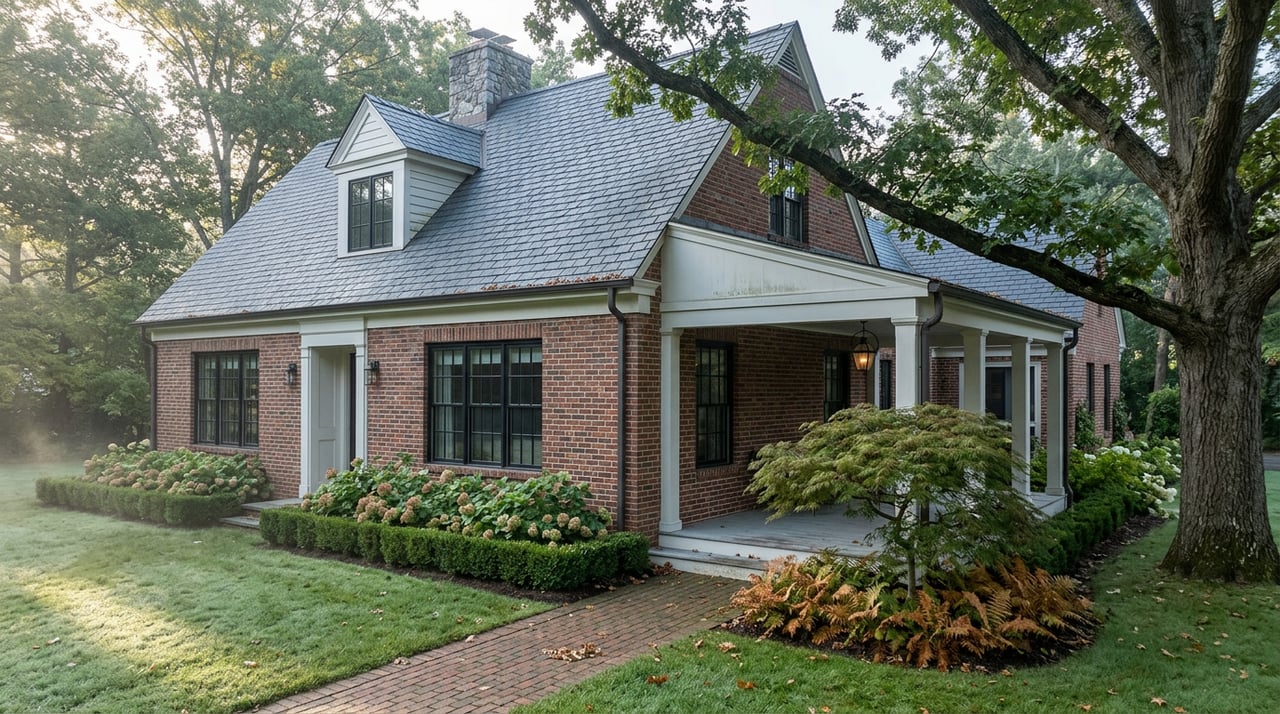
Planning Permit Work for Older Homes in Mountain Brook
September 17, 2026
A seller in Crestline or Cherokee Bend orders a pre-listing inspection on a home built sometime between the 1920s and the 1970s, which describes most of Mountain Brook's housing stock. The report comes back flagging original knob-and-tube wiring, a galvanized supply line that's due for replacement, or a bathroom addition from a decade ago that never shows up in city permit records. The seller's first instinct is to fix it fast and get back on schedule. The city's own building inspections page states that a permit can typically be issued within 24 to 48 business hours. So the math seems simple: get the permit Monday, have an electrician start Wednesday, close on time.
For buyers and sellers planning an older-home transaction, details like signing requirements and additional approvals can shape the schedule.
The 24-to-48-hour window covers the paperwork review, not the process around it. The City of Mountain Brook requires most permit applications to be signed in person at City Hall, and the forms themselves are still separated by trade on physical, color-coded paper: building permits on pink, electrical on blue, gas on green, mechanical on gray, plumbing on yellow. That in-person requirement sounds like a formality until a homeowner or their contractor has to coordinate a City Hall visit around office hours, which run 7:00 a.m. to 4:45 p.m. weekdays, on top of the actual repair schedule.
Local renovation contractors who work in the area regularly put a real number on this friction: the in-person signing requirement and any HOA approval layered on top of it can add two to four weeks to a project's start date, even when the underlying permit review itself takes two days. A whole-house renovation project, once it's actually underway, typically runs six to sixteen weeks depending on scope, and older homes with structural assessments or specialty material sourcing tend toward the longer end of that range.
That distinction matters when a seller tries to fix an inspection finding in the two weeks between contract acceptance and closing, because the additional steps can affect the schedule.
Mountain Brook's housing stock runs from 1920s and 1930s construction in its oldest sections to mid-century ranches and 1970s and 1980s colonials, with newer custom builds mixed in more recently. Homes from that earlier era commonly still carry knob-and-tube wiring, galvanized plumbing, and cast iron sewer lines, systems that were standard when the homes were built and that inspectors now flag as near or past the end of their useful life. A camera-based sewer scope, run down the line to check for root intrusion or corrosion nobody can see from ground level, is a common add-on for these properties because the original clay or cast iron pipe is old enough to have failed in ways a standard walkthrough won't catch.
Any real fix to that wiring or plumbing isn't cosmetic work. It requires permits. That's three separate colored forms, and the same in-person City Hall requirement stacked on each one.
There's a second, less obvious problem. Renovations completed without a permit or by an unlicensed contractor are more common in this housing stock than buyers expect, and they surface in inspection reports as unrecorded electrical work, unconnected plumbing runs, or additions that don't match the tax assessor's square footage. When that happens mid-transaction, the fix isn't just doing the work. The permit process can add steps, especially when the work is already behind a finished wall.
| Step | Posted Timeline | Realistic Timeline |
|---|---|---|
| Permit application review | 24-48 business hours | 24-48 business hours |
| In-person signing at City Hall | Not stated | Adds scheduling delay around 7am-4:45pm weekday hours |
| HOA or architectural review (where applicable) | Not stated | Can add 2-4 weeks before work starts |
| Land disturbance permit (grading) | Not stated | Riverbrook says land disturbance permits apply to root-system or grading work |
| Full renovation, once underway | Not stated | 6-16 weeks depending on scope |
The land disturbance line matters more in Mountain Brook than in most Birmingham-area suburbs. The city's tree canopy coverage is estimated near 92%, and root-system or grading work can trigger land disturbance permits and potential HOA scrutiny. A seller planning to clear a few trees to open up a backyard view before listing, or a buyer assuming they can regrade a sloped lot right after closing, should check permit requirements separately from any interior work.
Pool additions carry a similar catch. The City of Mountain Brook requires a permit for any pool or spa holding more than eighteen inches of water, and caps impervious lot coverage at 30 to 35% depending on zoning, meaning a pool can push a lot over its limit if there's already a large patio or detached structure on it. Setbacks get verified directly with the city planner's office, not assumed from a builder's standard plan.
The practical move is to get ahead of the permit question before a buyer's inspector does. A seller who orders their own pre-listing inspection, including a sewer scope on anything built before 1980, finds out about knob-and-tube or galvanized plumbing on their own schedule rather than during a buyer's compressed due diligence window. If a past renovation didn't get permitted, and it's now visible or suspected, addressing that on a seller's own timeline avoids a rushed retroactive permit process while a buyer's closing date is fixed.
Homepro-Birmingham's Jeff Brown, who has completed more than 14,000 inspections in the area since 1990, notes that Mountain Brook's larger and historic homes typically take longer to inspect than the two to three hours budgeted for an average property in the metro. That extra time on inspection day is often the first sign of how much extra time the repair side will need too.
A charming 1930s Tudor in English Village or a mid-century ranch in Brookwood Forest is not going to inspect like a home built in 1995, and that's not a red flag so much as a planning input. Renovation contractors working in the area put whole-house renovation costs at $150 to $300 per square foot, with historic systems adding to that range because knob-and-tube and galvanized plumbing require specialized replacement methods that preserve original wall finishes and architectural detail rather than simply ripping and replacing.
If a buyer's inspection turns up unpermitted work, the honest question to ask a seller isn't just "will you fix this," it's "how long will fixing this actually take under this city's process." A buyer with a fixed closing date and a seller who just discovered that permitting involves an in-person City Hall visit are working from two different calendars, and knowing that gap exists before it becomes a negotiation point is worth more than any home warranty.
Does an unpermitted addition affect a sale in Mountain Brook? It can complicate one. Work done without a permit may complicate the process, even though the paper review itself is fast.
Do I need a permit to remove trees before listing? Root-system or grading work can trigger land disturbance permits, and with canopy coverage near 92% citywide, this comes up more often here than in newer subdivisions with less mature landscaping.
How long should I budget for permitted repair work found during inspection? Treat the 24-to-48-hour review window as the fastest part of the process, not the whole process. Between in-person signing requirements and any HOA layer, two to four weeks before work even starts is a more realistic planning number.
Mountain Brook's older housing stock is a big part of what makes the city worth the premium buyers pay for it. It's also the reason a transaction here can move at a different pace than a newer subdivision one town over. Understanding the steps beyond the posted turnaround can help keep a closing date realistic.
If you're weighing a sale or a purchase in Mountain Brook and want a straight read on what a specific property's age and permit history might mean for your timeline, Randy Aldrich has spent years walking these neighborhoods with buyers and sellers who've hit exactly this wall. Let's Connect before the calendar surprises you.
This article is general information, not legal, tax or financial advice. Consult a qualified professional about your situation.
Stay up to date on the latest real estate trends.

I am dedicated to providing exceptional service to my clients and helping them achieve their real estate goals. In my free time I enjoy staying active and engaged in the community.

1110 N Chalkville Mountain Rd #156,
Trussville , AL 35173